
Free System Guidance
Free system guidance
Call: 862.362.1444
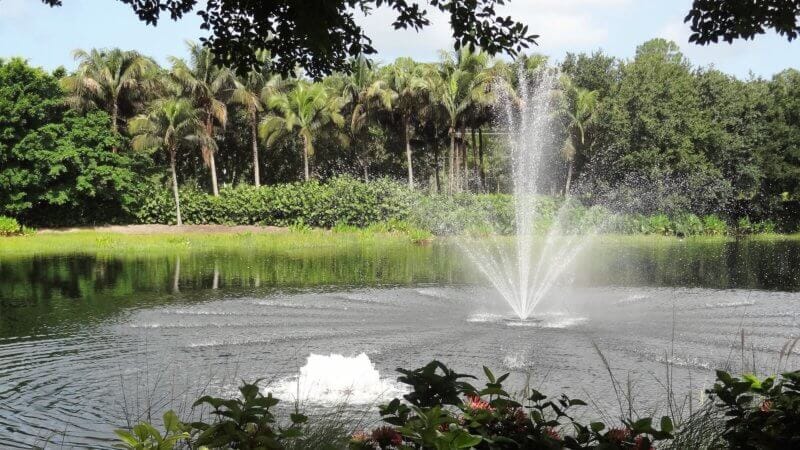
Pond and lake aeration is usually worth reviewing when the water has low oxygen, heavy muck, bad odor, fish stress, or stagnant areas. Aeration does not fix every pond problem, but it can help the pond breathe and move water that would otherwise sit at the bottom.
The right system depends on pond size, depth, fish load, power access, and whether you are trying to support koi, improve a small pond, or move oxygen through a larger lake. A shallow decorative pond and a one-acre lake do not need the same equipment.
Aeration moves air into the water and helps circulate the pond. In deeper ponds and lakes, a bottom-diffused aeration system can lift low-oxygen bottom water toward the surface. That movement helps mix the water column and gives oxygen-supported bacteria a better environment to break down organic waste.
For smaller ponds, aeration can also help support fish during hot weather, heavy feeding, or periods when filtration is under pressure.
Aeration helps the pond's oxygen and circulation path. It does not replace filtration, remove every algae problem, or make unsafe water safe overnight.
If fish are gasping, ammonia or nitrite is present, chlorine is suspected, or oxygen is already low, treat that as a water-safety issue first. Aeration may be part of the answer, but the pond still needs testing and a practical plan.
Muck builds up when leaves, fish waste, algae, and other organic material settle at the bottom. In low-oxygen zones, that material can break down slowly and create odor.
Aeration helps by improving oxygen and circulation near the bottom. That gives oxygen-using bacteria a better environment to work. It will not make years of muck disappear in a week, but it can support a cleaner long-term pond management plan.
Fish need dissolved oxygen. Warm water holds less oxygen than cool water, and oxygen can drop when fish load, feeding, algae, and decaying debris are all high at the same time.
Aeration is especially worth checking for koi ponds, stocked ponds, and lakes where fish are valuable or hard to replace.
| Situation | What to review first |
|---|---|
| Small koi pond | Fish load, filtration, pump flow, waterfall movement, and supplemental air |
| Decorative water garden | Plant load, debris, shallow-water circulation, and seasonal oxygen stress |
| Farm pond or lake | Surface acreage, depth, compressor location, diffuser placement, and power access |
| Winter fish-stress risk | Ice cover, gas exchange, diffuser placement, and safe winter operation |
If you are choosing aeration, do not start with a random kit. Start with pond size, depth, fish load, and where the compressor can safely sit.
Review pond aeration options or contact Tony for help checking fit. If the pond also has green water, poor filtration, or fish stress, include those details before buying equipment.

